
What Causes Silverfish in the House?
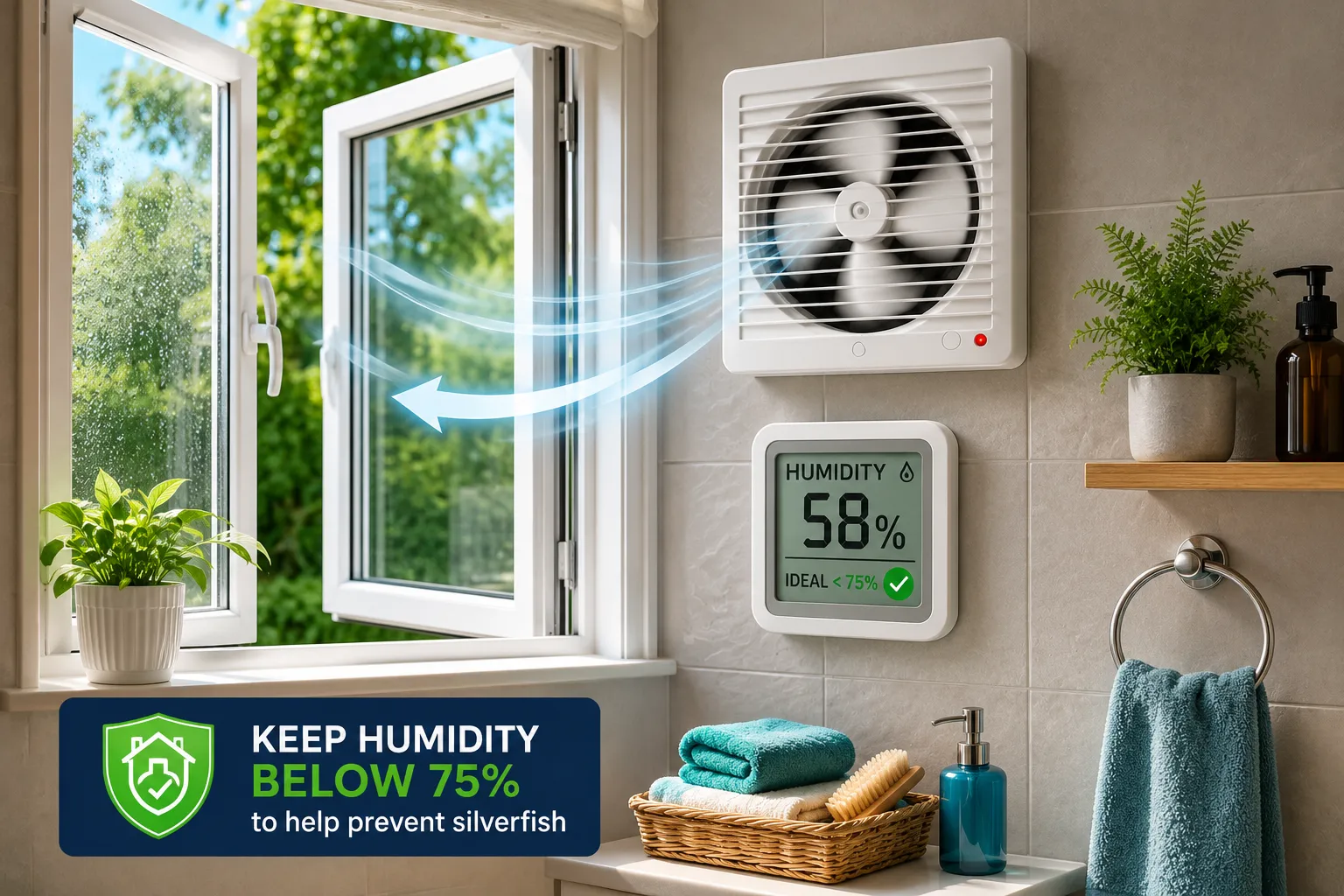
Silverfish are caused mainly by damp and high humidity - they need humidity above about 75% to thrive. Combined with a food source of starchy materials (paper, cardboard, wallpaper paste, book bindings, dried food), warm humid spots like bathrooms, kitchens and utility rooms become ideal. Reducing humidity is the key to preventing them.
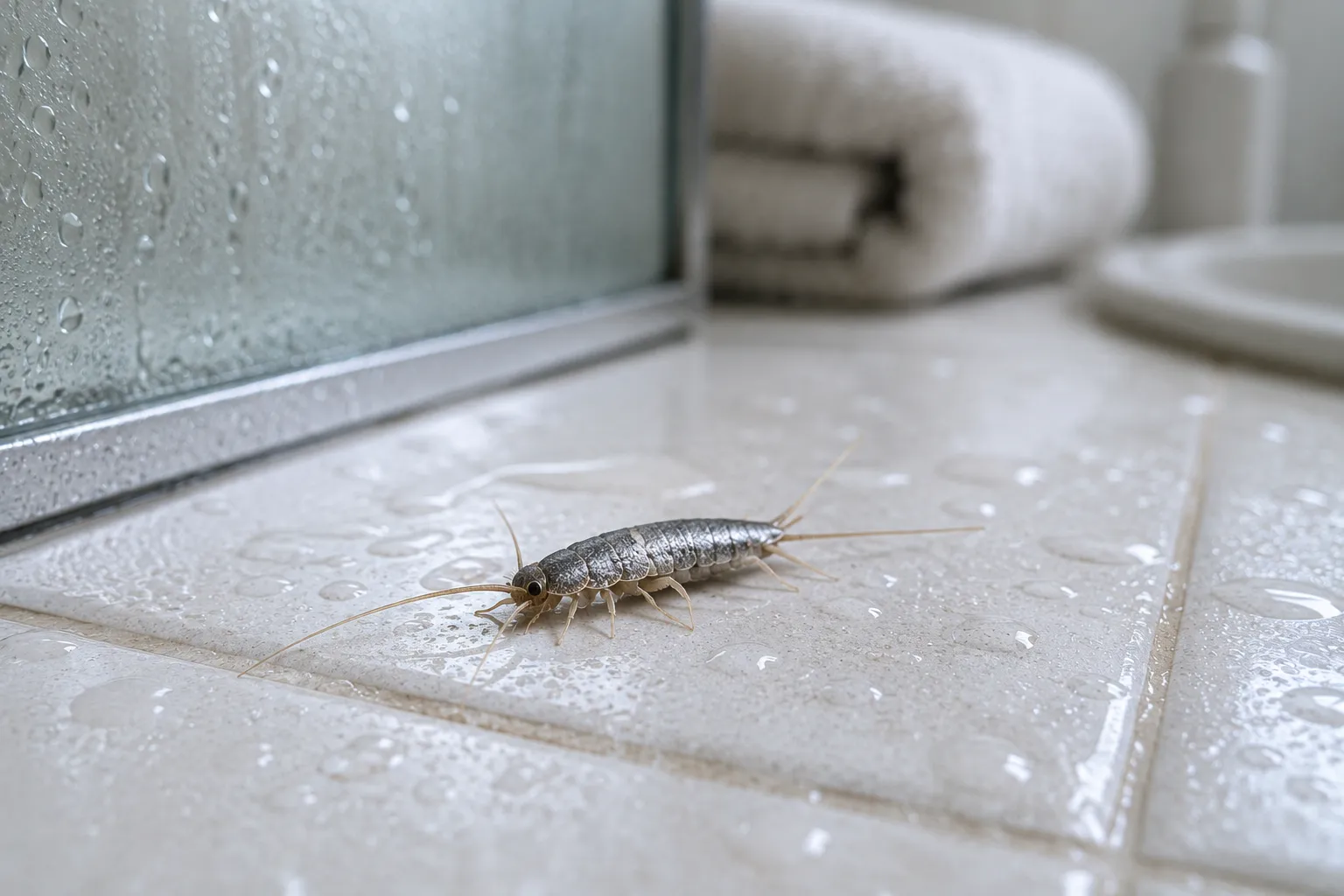
If you keep finding silverfish in your bathroom or kitchen, there is almost always one underlying cause: damp. Silverfish are moisture-loving insects, and their presence is a reliable sign that part of your home is more humid than it should be. This guide explains exactly what causes silverfish, what they feed on, why Irish homes are especially prone to them, and how to prevent them - with practical steps you can take today.
The Two Things Silverfish Need: Humidity and Food
| Cause | Why It Matters | Where You Find It |
|---|---|---|
| Humidity and damp | Silverfish need a relative humidity above roughly 75% to breed and thrive, and they quickly dehydrate in dry conditions. | Bathrooms, kitchens, utility rooms, basements, leaks and poorly ventilated rooms. |
| A starchy food source | Silverfish feed on carbohydrates, especially starch and cellulose. | Paper, cardboard, books, book bindings, wallpaper paste, dried foods, natural fabrics, glue and some plasters and fillers. |
Humidity and Damp: The Main Cause
Silverfish are among the most moisture-dependent household insects. They need a relative humidity above roughly 75% to breed and thrive, and they quickly dehydrate in dry conditions. This is why you find them in the most humid parts of a home - bathrooms, kitchens, utility rooms, basements, and anywhere with a leak or poor ventilation, so improving proper home ventilation can help reduce condensation and moisture problems. If you have silverfish, you have a humidity or damp issue somewhere, even if it is not obvious.
A Starchy Food Source
Silverfish feed on carbohydrates, especially starch and cellulose. Their diet includes:
- 1Paper, cardboard and books
Paper, cardboard, books and book bindings provide the cellulose and starch silverfish feed on.
- 2Wallpaper and paste
Wallpaper and wallpaper paste are common hidden food sources in humid rooms.
- 3Dried foods
Flour, cereal, oats and pet food attract silverfish if they are stored in humid spaces and left exposed.
- 4Natural fabrics and glue
Cotton, linen, silk, glue and even the starch in some plasters and fillers can support silverfish.
A humid room that also stores paper, books or dried goods - a bathroom cupboard, a utility room, a cluttered spare room - offers silverfish everything they need.
Where Silverfish Come From
Silverfish do not usually invade from outside the way ants or rats do. More often, a small population is already present in a building and simply multiplies when conditions become humid enough. They can also arrive inside cardboard boxes, second-hand books, old paper and stored items brought in from damp storage. Once inside a humid home, they breed slowly but steadily and can live for several years, so an untreated population persists and grows over time.
Why Irish Homes Get Silverfish
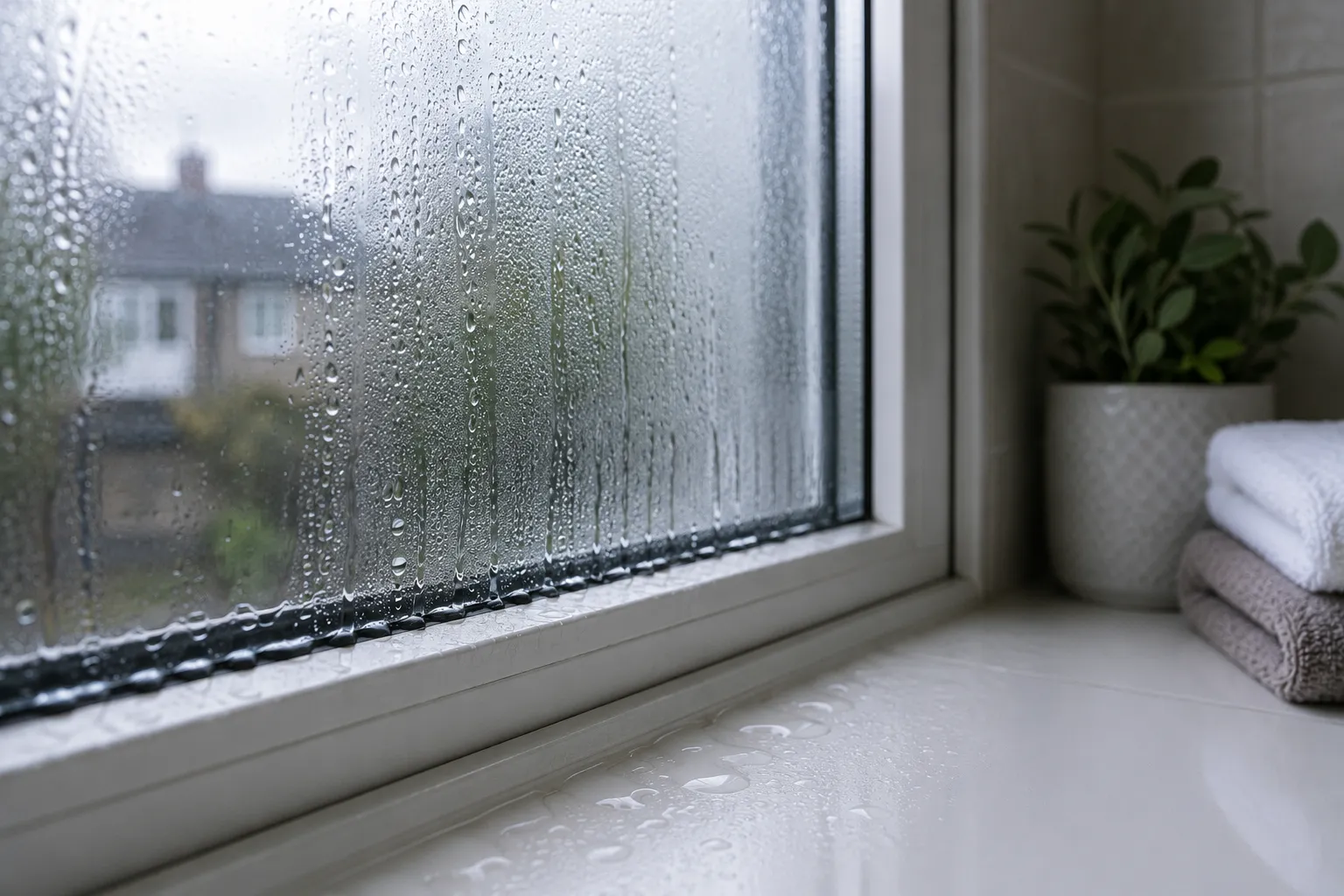
Ireland's damp, mild climate and older, sometimes poorly ventilated housing stock create close to ideal conditions for silverfish. High outdoor humidity, condensation on cold walls and windows, and limited ventilation in bathrooms and utility rooms all push indoor humidity into the range silverfish need. This is why they are so common here - and why generic US or UK advice, written for drier climates, often doesn't fully address the Irish situation.
For the full climate explanation, see our guide on why you get silverfish in Irish homes.
How to Prevent Silverfish
Because silverfish are driven by humidity, prevention is mostly about drying out the conditions they need:
- ✓Lower the humidity - ventilate bathrooms and kitchens well, use extractor fans, open windows after showers and cooking, and run a dehumidifier in persistently damp rooms.
- ✓Fix moisture sources - repair leaking pipes, dripping taps and any sources of damp; address condensation on cold surfaces.
- ✓Remove the food supply - store paper, books, cardboard and dried food in sealed plastic containers rather than leaving them exposed in humid rooms.
- ✓Declutter - silverfish shelter and feed in piles of paper, cardboard and books, especially in damp storage; reducing clutter removes both harbourage and food.
- ✓Seal cracks and gaps - fill gaps in skirting, around pipes and in tiling where silverfish hide and travel.
If you have already got an established silverfish problem that these steps aren't clearing, professional treatment tackles both the insects and the damp. See our silverfish treatment and control page, or for a full DIY walkthrough, our complete guide on how to get rid of silverfish.
Frequently Asked Questions
What causes silverfish in the house?
Silverfish are caused mainly by damp and high humidity - they need humidity above about 75% to thrive - combined with a food source of starchy materials like paper, cardboard, wallpaper paste and dried food. Humid, poorly ventilated rooms such as bathrooms, kitchens and utility rooms are where they gather. Reducing humidity is the key to preventing them.Does having silverfish mean my house is dirty?
No. Silverfish are a sign of damp and humidity, not poor hygiene. Even spotless homes get silverfish if there is enough moisture and a starchy food source. That said, decluttering and storing paper and food properly does help, because it removes their shelter and food supply.What attracts silverfish?
Silverfish are attracted by humidity and moisture above all, and by starchy foods - paper, cardboard, wallpaper paste, book bindings, dried foods and natural fabrics. A humid room that also stores paper or dried goods is especially attractive to them.Are silverfish harmful?
Silverfish do not bite, sting or spread disease, and they are harmless to people and pets. Their harm is to belongings - they damage books, documents, wallpaper, photographs and stored clothing - and they are a warning sign of a damp problem worth addressing for the sake of the building itself.
Need Silverfish Treatment and Control in Ireland?
If you have an established silverfish problem that humidity control and decluttering are not clearing, Central Pest Control can help with professional treatment and practical damp-prevention advice.