What Attracts Rats to Your House?
Rats are attracted to your house by four things: food (waste, pet food, bird feed, fallen fruit), water (leaks, pet bowls, drains), shelter (clutter, overgrowth, cavities) and easy access (gaps larger than about 20mm, defective drains, open doors). Remove these and you make your home far less inviting to rats.
Rats do not appear at random - they follow food, water and shelter, and they get in through gaps you may not even know are there. Understanding what attracts them is the first step to keeping them out. This guide, from a Dublin pest control firm with over 35 years' experience, lists the main rat attractants around a typical Irish home and what to do about each one.
The Main Things That Attract Rats
Rats are drawn to food, water, shelter and easy access. The table below sets out the main rat attractants around Irish homes and what to do about each one.
| Attractant | Why It Draws Rats | What to Do |
|---|---|---|
| Food waste & open bins | The single biggest draw. Overflowing or open bins are an all-you-can-eat buffet. | Use bins with tight lids, don't overfill, and keep bin areas clean. |
| Pet food & bird feed | Food left out for pets or wild birds feeds rats just as well. | Feed pets indoors, store pet food in sealed containers, use tidy bird feeders and clear spillage. |
| Fallen fruit & compost | Windfall fruit and open compost heaps are a rich food source. | Clear fallen fruit; use a rodent-resistant closed composter. |
| Water sources | Rats need water daily - leaks, pet bowls, blocked gutters and drains all provide it. | Fix leaks, don't leave water out overnight, keep drainage clear. |
| Clutter & overgrowth | Piles of wood, rubbish, dense ivy and overgrown borders give rats shelter and cover. | Tidy storage, keep vegetation trimmed and away from walls. |
| Gaps & entry points | Rats squeeze through gaps of around 20mm - under doors, around pipes, air bricks. | Seal gaps with wire mesh and rodent-proof materials; fit door brushes. |
| Defective drains | Cracked or open drains are a classic hidden route into Irish homes. | Have drainage inspected; fit drain blockers or non-return valves. |
Food: the Number One Attractant
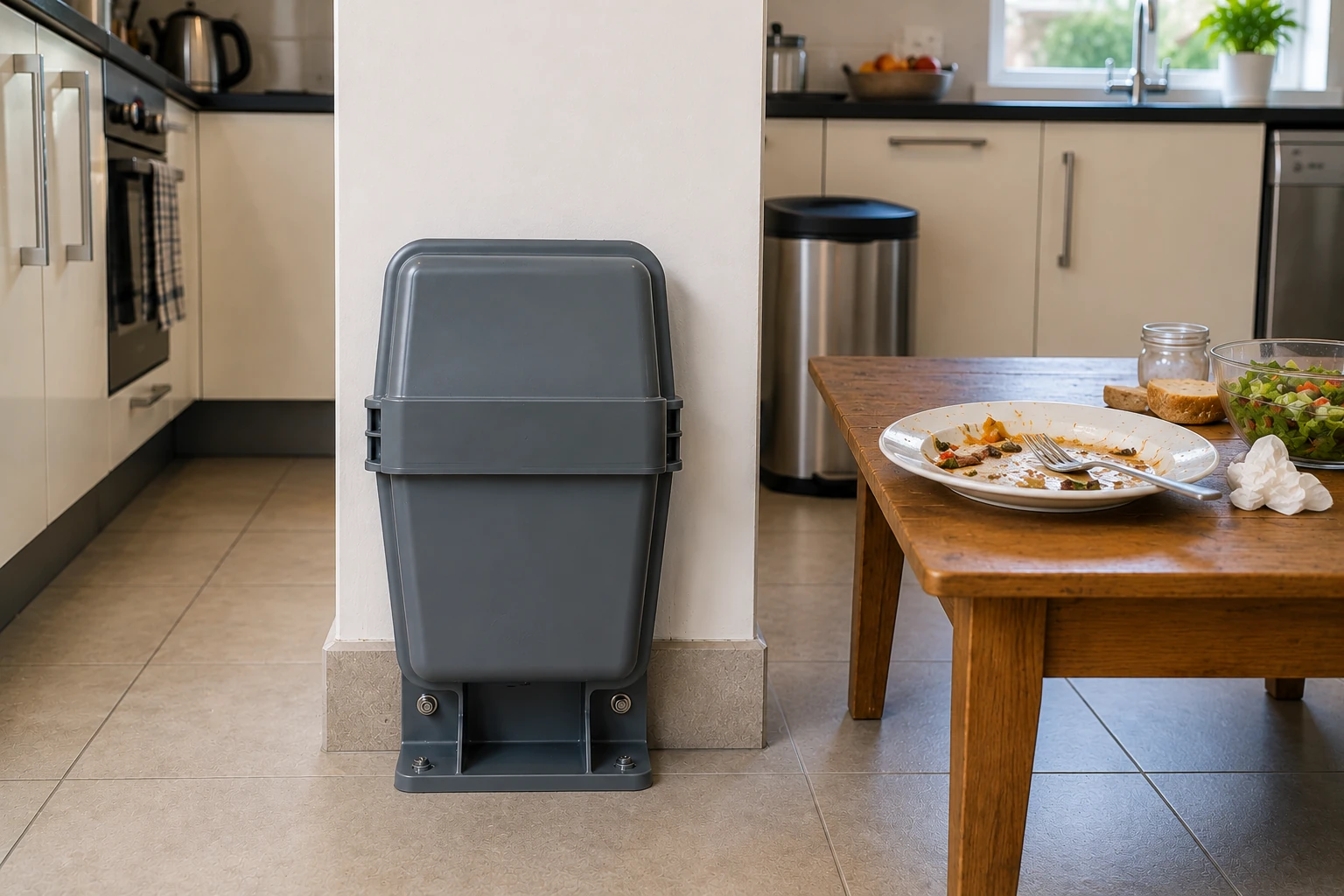
If there is a reliable food source, rats will come. In and around Dublin homes the biggest culprits are open or overflowing bins, pet food left down overnight, bird feed spilled on the ground, and windfall fruit under trees. Rats have an excellent sense of smell and will travel to a dependable food source night after night. Cutting off the food supply is the most powerful single thing you can do to make your property unattractive to rats.
Water: the Overlooked Attractant
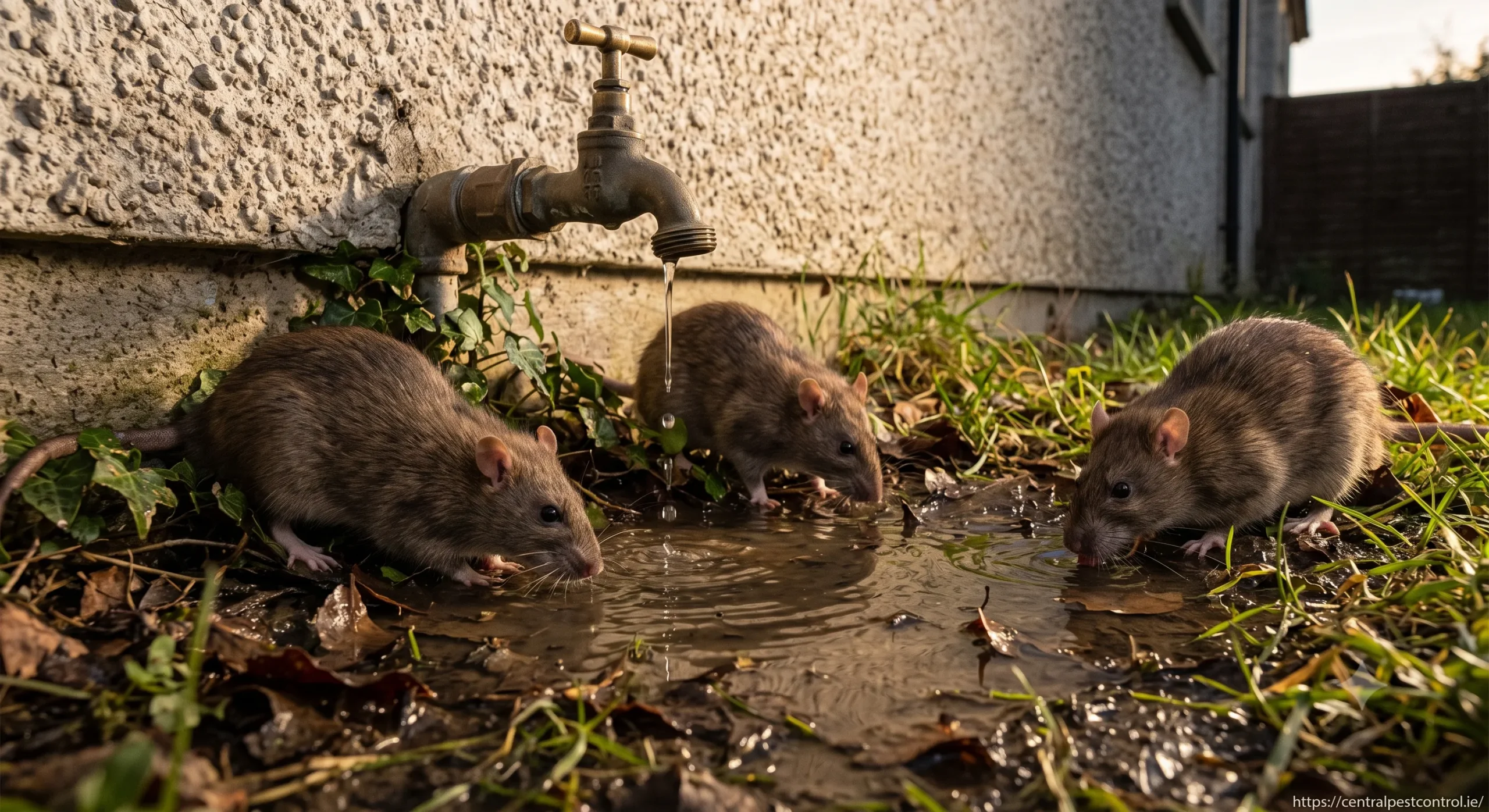
Rats need to drink daily, so a steady water source is almost as important to them as food. Dripping outdoor taps, leaking pipes, pet water bowls left out overnight, blocked gutters holding standing water and open drains all provide it. Fixing leaks and removing standing water denies rats a basic necessity and pushes them to look elsewhere.
Shelter and Access: How They Get In and Stay
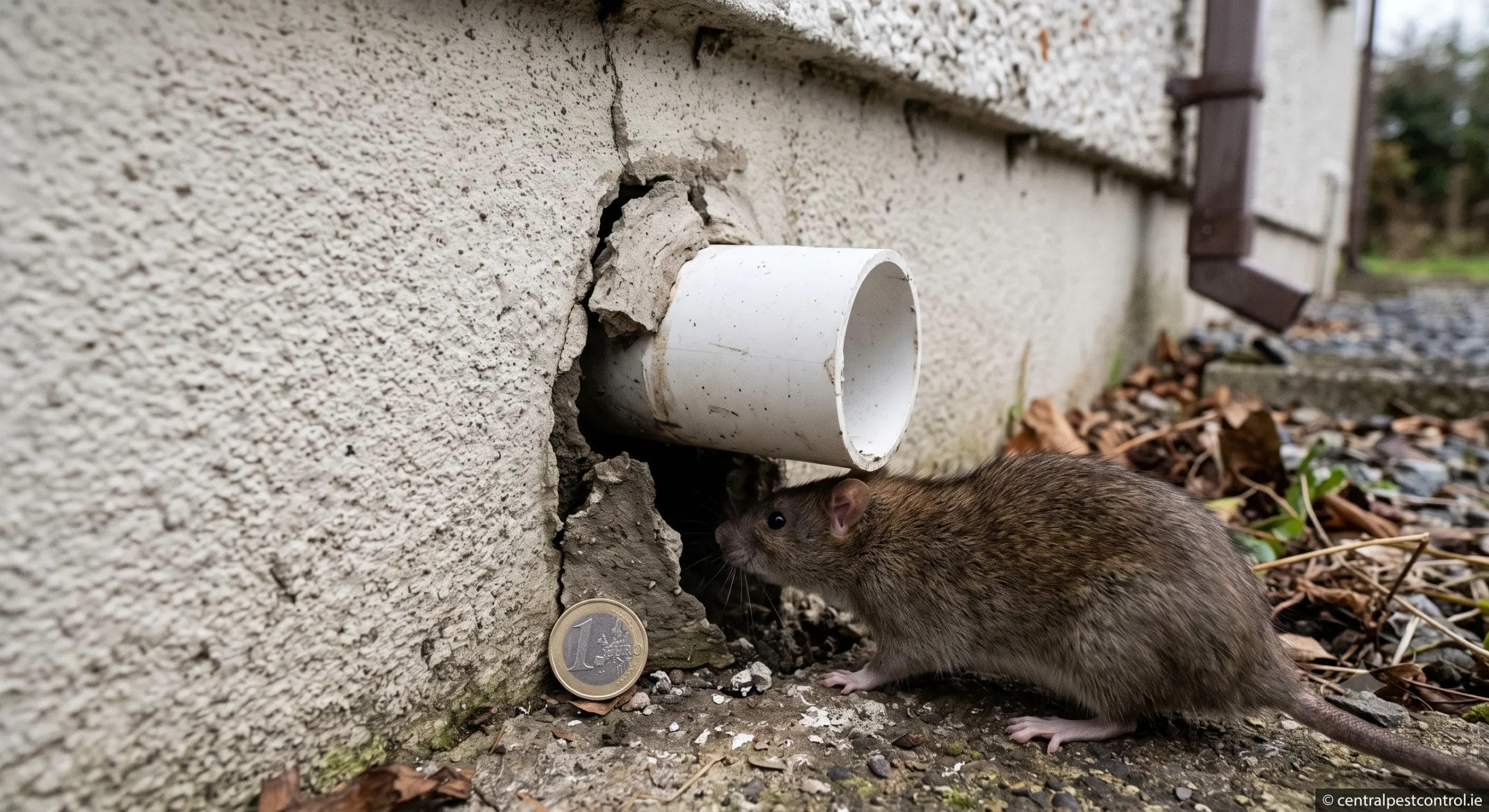
Even with food and water available outside, rats want to nest somewhere warm, dry and undisturbed - and your home is ideal. Clutter, log piles, dense ivy and overgrown gardens give them cover and harbourage close to the house. From there, they exploit any gap to get inside. A rat can pass through an opening of around 20mm, and gnaw a smaller one wider. The most common entry points into Dublin homes are gaps under doors, around service pipes, through air bricks and - very commonly - via defective underground drains.
The 6mm / 20mm Rule
- ✓A mouse can enter through a gap as small as 6mm; a young rat needs only around 20mm. That is smaller than most people expect - which is exactly why professional proofing matters. A technician finds and seals the gaps you would never think to check, including the drainage routes hidden underground.
How to Make Your Home Unattractive to Rats
- 1Remove the food
Sealed bins, no pet food left out, tidy bird feeding, clear windfall fruit.
- 2Remove the water
Fix leaks and dripping taps, don't leave water bowls out overnight, keep gutters and drains clear.
- 3Remove the shelter
Declutter storage, trim back vegetation, keep log and rubbish piles away from the house.
- 4Remove the access
Seal gaps around doors, pipes and air bricks; have drainage inspected and proofed.
- 5Act early
At the first sign of rats, call a professional. Rats breed fast, and an early treatment plus proofing is far easier than tackling an established infestation.
If you already have rats, removing attractants helps but is rarely enough on its own - an established infestation needs professional treatment and proofing. See our rat control Dublin page for fast, discreet removal that stops them coming back.
Frequently Asked Questions
What attracts rats to your house?
Rats are attracted by food waste management (waste, pet food, bird feed, fallen fruit), water (leaks, pet bowls, drains), shelter (clutter, overgrowth, cavities) and easy access (gaps larger than about 20mm, defective drains). Remove these four things and your home becomes far less inviting to rats.Does one rat mean an infestation?
Not necessarily, but it is a warning sign. Rats are social and breed rapidly, so a single rat often means more are nearby or on the way. If you see one rat, or the signs of one (droppings, gnaw marks, scratching noises), act quickly - early treatment and proofing is much easier than dealing with an established colony.What smell attracts rats?
Rats are drawn by the smell of food - particularly high-calorie foods, meat, fat and sweet items - as well as pet food and rubbish. They are not attracted by any single 'rat smell'; it is the odour of an available food source that draws them. Keeping food sealed and bins closed removes the scent trail that leads them to your home.Do rats come in because of dirty houses?
Not exactly - even clean homes get rats if there is food, water and access nearby. Cleanliness helps by removing food sources and clutter, but rats are opportunists that follow easy food and warm shelter. Proofing entry points matters just as much as hygiene.
Already Have Rats in Your Home or Garden?
If you already have rats, removing attractants helps but is rarely enough on its own. An established infestation needs professional treatment and proofing. Central Pest Control provides fast, discreet rat control across Dublin.