
Bed Bugs in Rental Properties: Landlord & Tenant Guide (Ireland)
In Ireland, who is responsible for bed bugs in a rented home depends on the cause. A landlord must keep the property in good condition and complete necessary repairs, so an infestation present at the start of the tenancy, or linked to the building, is usually the landlord's responsibility. If the tenant introduced the bed bugs during the tenancy, the cost may fall to the tenant. Report it in writing early and keep paying your rent.
Please note: This guide is general information, not legal advice. Responsibility for a pest infestation depends on the specific circumstances, the cause and your tenancy agreement. For a dispute, contact the Residential Tenancies Board (RTB).
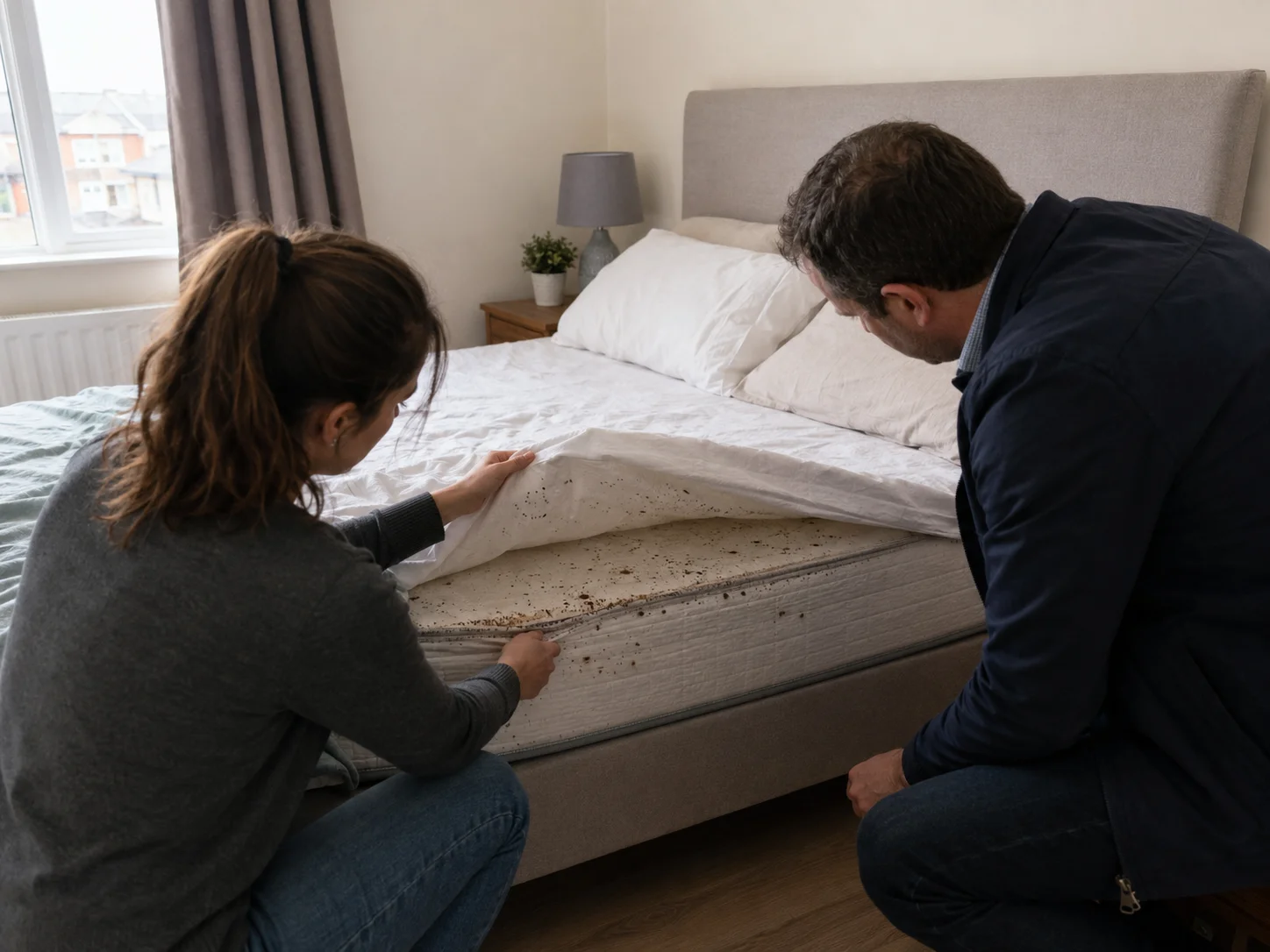
Who is responsible for bed bugs in a rented property in Ireland?
There is no rule in Irish law that names bed bugs specifically. Responsibility is read through a landlord's general duties and through who caused the infestation. Under the Residential Tenancies Act 2004 (as amended) and the minimum-standards rules, a landlord must make sure the property is in good condition, meets minimum standards, and that necessary repairs are completed within a reasonable time. Against that backdrop, the general position looks like this:
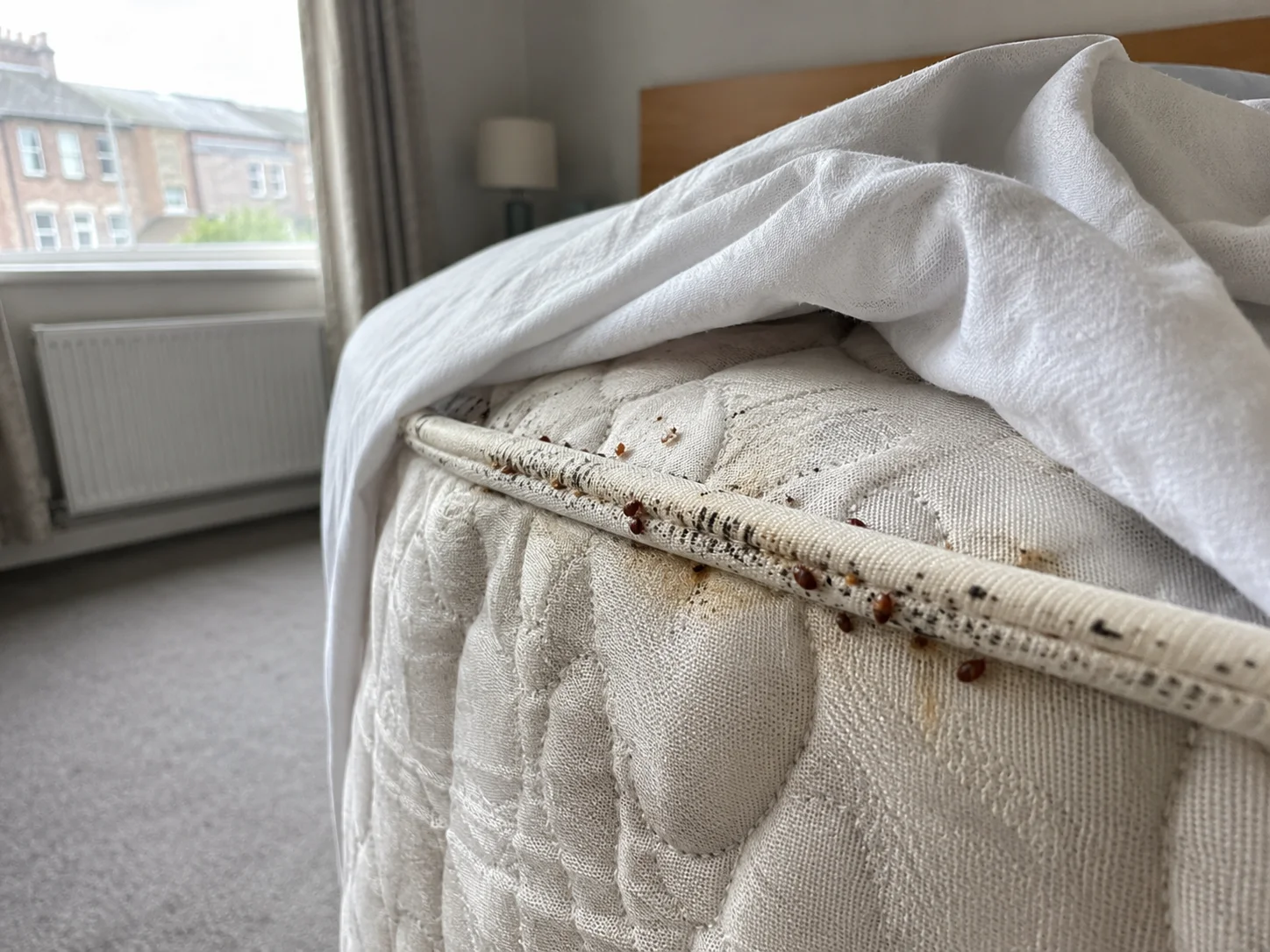
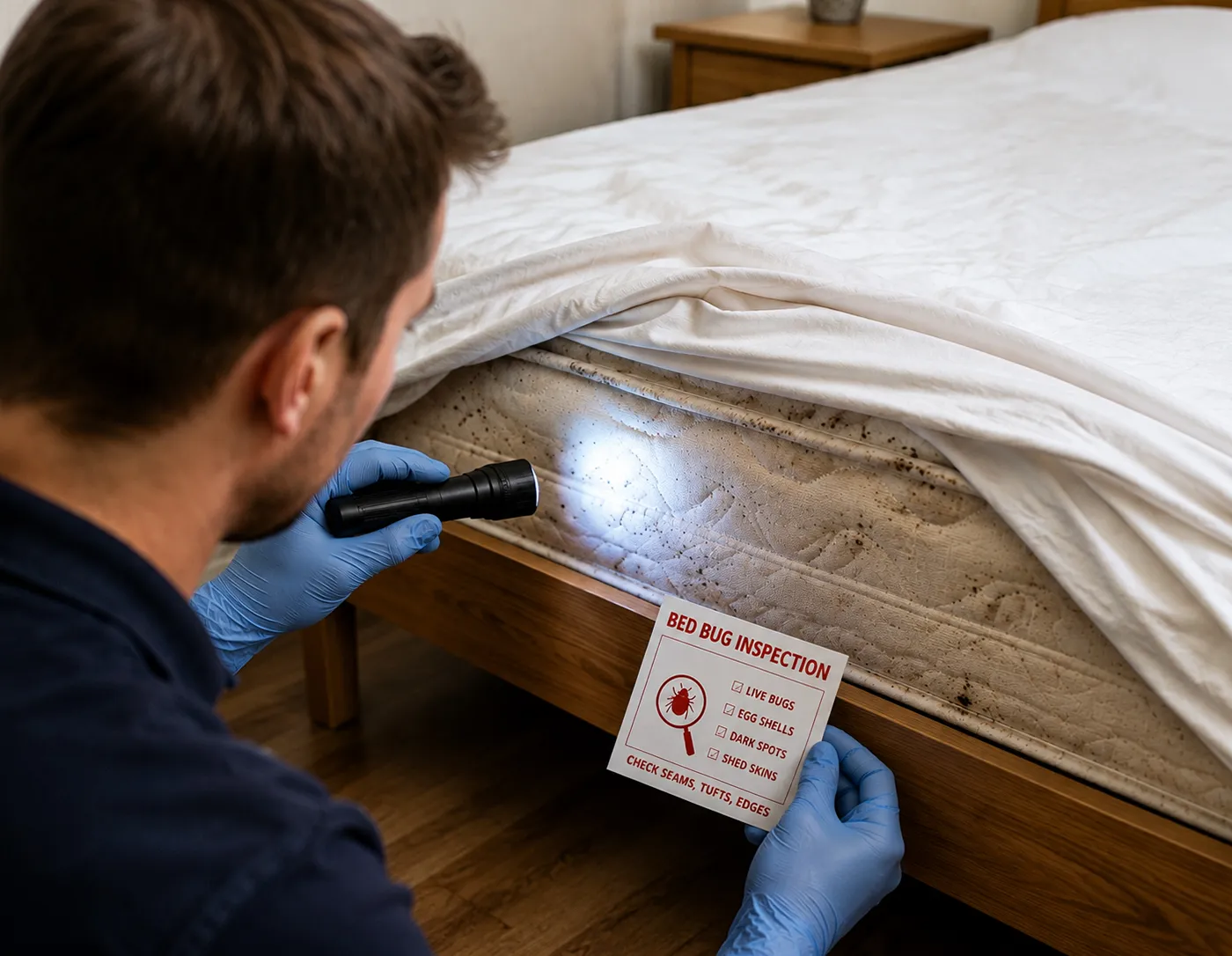
| Situation | Usually responsible | Why |
|---|---|---|
| Bed bugs present at the start of the tenancy | Landlord | The property must be in good condition and meet minimum standards when let |
| Infestation from the building's condition or spread from other units | Landlord | Falls under the landlord's duty to repair and maintain the property |
| Tenant introduced them (second-hand furniture, luggage, travel) during the tenancy | Tenant | Tenants must not cause damage and must keep the dwelling in good order |
| Cause unclear or disputed | Often the landlord arranges treatment; the RTB decides disputes | Who introduced bed bugs is very hard to prove; landlords usually act to protect the property |
What does Irish tenancy law say?
A landlord's core duties come from the Residential Tenancies Act 2004 (as amended) and the Housing (Standards for Rented Houses) Regulations 2019. According to the Residential Tenancies Board (RTB), landlords must "make sure the property is in good condition and meets minimum standards" and "complete necessary repairs within a reasonable time or refund the tenant for essential repairs they arranged." A tenancy agreement cannot take away these rights and responsibilities.
Because these duties cover the condition and repair of the property, an infestation that stems from the state of the building generally sits with the landlord. Tenants, in turn, must not cause damage and must keep the dwelling in reasonable order, which is where responsibility can shift if the tenant brought the bed bugs in.
When are bed bugs the landlord's responsibility?
- 1The bed bugs were present at the start of the tenancy
- 2The infestation is linked to the condition, structure or disrepair of the property
- 3Bed bugs have spread from other flats in a shared building or apartment block
- 4The cause cannot be shown to be the tenant, so the landlord's duty to keep the property in good condition applies
When are bed bugs the tenant's responsibility?
- ✓The tenant introduced the bed bugs during the tenancy, for example through second-hand furniture, luggage or travel
- ✓The tenant delayed reporting or refused access, allowing the infestation to worsen
- ✓The tenant otherwise breached their duty not to cause damage and to keep the dwelling in good order
In practice, proving that a tenant introduced bed bugs is difficult, which is why many landlords simply arrange treatment and, where cost is disputed, the matter is decided by the RTB.
How long does a landlord have to get rid of bed bugs?
Irish law does not set a fixed number of days. It requires landlords to complete necessary repairs "within a reasonable time" (RTB). Because bed bugs breed quickly and spread between rooms and units, a reasonable time is short, days rather than weeks. Report the problem in writing, keep a record, and if the landlord does not act you can arrange an essential repair and seek reimbursement, or refer the matter to the RTB. Landlords in Ireland are required to ensure rental accommodation meets appropriate health and safety standards. This includes maintaining the property in a condition that helps prevent pest problems and addressing issues that may affect tenants. The Residential Tenancies Board outlines the minimum standards for rental properties that landlords should follow.
Do I have to pay rent if I have bed bugs?
Yes. You should keep paying your rent. Withholding rent is risky: it can put you in arrears, breach your tenancy and weaken your position. The correct route is to report the infestation in writing, give the landlord a reasonable time to deal with it, and refer the matter to the RTB dispute-resolution service if it is not resolved. Keep copies of everything.
How can a landlord prove a tenant brought in bed bugs?
It is genuinely hard to prove. Evidence that may be considered includes how soon after move-in the bed bugs appeared, any move-in inspection record, the presence of second-hand furniture, and whether other units in the building are also affected. Because the burden of proof is difficult either way, the RTB decides disputed cases based on the circumstances, and landlords often treat first and resolve cost afterwards.
What should tenants do?
- ✓Report it in writing (email) to your landlord or agent as soon as you see signs, with photos and dates.
- ✓Keep paying your rent while the issue is dealt with.
- ✓Do not move belongings to other rooms or homes, as this spreads bed bugs.
- ✓Allow access for inspection and treatment.
- ✓Keep records; if the landlord does not act within a reasonable time, contact the RTB.
What should landlords do?
- ✓Act promptly, bed bugs multiply fast and can spread between units.
- ✓Arrange professional treatment carried out by a qualified pest control provider.
- ✓In apartment blocks, coordinate with the management company and check neighbouring units.
- ✓Document the inspection, the likely cause and the treatment carried out.
- ✓Keep the property to minimum standards to reduce the risk of recurrence.
Getting professional bed bug treatment in Dublin
Whether you are a landlord, a tenant or a letting agent, the fastest way to resolve a bed bug problem is professional treatment. Central Pest Control provides discreet, guaranteed eradication for homes, hotels, apartments and rental properties across Dublin, and works with landlords, tenants and management companies to treat affected units together. Treatment is quoted after a short inspection.
Frequently asked questions
Who is responsible for bed bugs in a rented property in Ireland?
It depends on the cause. A landlord must keep the property in good condition and meet minimum standards, so an infestation present at the start of the tenancy or linked to the building is usually the landlord's responsibility. If the tenant introduced the bed bugs during the tenancy, the cost may fall to the tenant.How long does a landlord have to get rid of bed bugs?
Irish law requires landlords to complete necessary repairs within a reasonable time. There is no fixed number of days, but because bed bugs spread quickly, prompt action is expected. Report it in writing, and if the landlord does not act, refer the matter to the RTB.Do I have to pay rent if I have bed bugs?
Yes. Keep paying your rent. Withholding rent is risky and can put you in arrears and breach your tenancy. Report the problem in writing, allow reasonable time for repair, and refer the matter to the RTB if it is not resolved.Can a landlord keep my deposit because of bed bugs?
A landlord can only deduct from a deposit for unpaid rent, unpaid bills, or damage beyond normal wear and tear. An infestation you did not cause is not a valid reason to withhold a deposit. Deposit disputes can be referred to the RTB.Who deals with bed bugs in an apartment block?
In shared buildings the landlord, often with the management company, usually coordinates treatment, because bed bugs spread between units. Treating only one flat while neighbouring units are affected rarely solves the problem.Are mice and other pests the landlord's or tenant's responsibility?
The same principle applies to most pests. Where the infestation stems from the property's condition or structure, it usually falls under the landlord's duty to keep the property in good repair. Where the tenant caused it, the tenant may be responsible.
Sort a bed bug problem in a rented property
Call Central Pest Control on 01 200 5900 for fast, discreet bed bug treatment across Dublin, or request a callback online. See our bed bug treatment page for how the process works. Treatment is quoted after inspection; prices may vary depending on the time of year and weather conditions, and emergency calls may differ due to holidays, bank holidays and in-house training.