Ants Pest Control
Ants
What Are Ants?
Ants are small but highly organised insects belonging to the family Formicidae within the order Hymenoptera. Living in structured colonies, they operate as a team, with each member playing a specific role to keep the colony thriving. Ants are found almost everywhere in the world, except in extremely cold regions such as the polar areas.
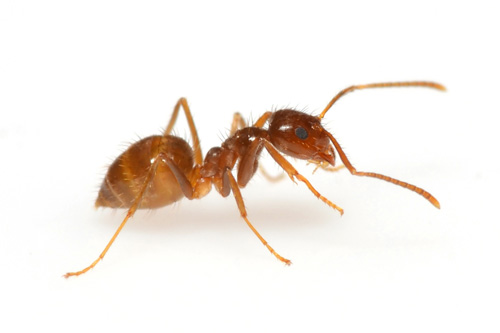
You can recognise ants by their segmented bodies, six legs, and distinctive elbowed antennae. Inside each colony, there is a clear division of labour. Some ants gather food, others defend the nest, while some care for the young or focus solely on reproduction.
Most colonies are made up of three types of ants: the queen, males, and workers. The queen’s primary job is reproduction, and she can live for several years. Male ants exist mainly to mate with the queen. Worker ants – sterile females – handle the day-to-day tasks such as collecting food, building and repairing the nest, and caring for larvae and pupae.
Why Am I Suddenly Seeing Ants in My Home?
One of the most common questions we’re asked is: Where have these ants come from?
Warmer weather certainly encourages ants to become more active, but temperature isn’t the only reason they appear indoors. Ants are constantly searching for reliable sources of food and water. Once a single ant discovers something edible in your home, it leaves a chemical scent trail back to the nest. This trail signals the rest of the colony to follow – which is why a small sighting can quickly turn into a larger problem.
Ants communicate using chemical signals known as pheromones. These signals allow them to mark safe pathways and efficiently transport food back to their colony. It’s this remarkable communication system that makes them so successful – and so persistent.
Their diet varies by species. Some ants are omnivorous, while others prefer plants or even other insects. Outdoors, they play important roles such as aerating soil, dispersing seeds, and helping control other insect populations. However, when they move indoors, they can contaminate food, cause structural issues, and in some cases deliver painful bites.
What Causes Ants Around Your House?
Several factors can attract ants to your property:
Food Sources
Even the smallest crumbs, spills, or improperly stored food can attract ants. Their sense of smell is extremely sensitive, allowing them to detect tiny traces of food.
Sweet Substances
Sugary foods and drinks are particularly appealing. Syrups, fruit, soft drinks, and sweets are common attractants.
Moisture
Some species are drawn to damp conditions. Leaking pipes, dripping taps, excess humidity, or standing water can create ideal conditions.
Entry Points
Ants can squeeze through very small gaps around windows, doors, foundations, and utility lines. Once they find a resource, they mark the route for others to follow.
Nearby Nesting Sites
Mulch, soil, debris, or decaying wood close to your home can provide ideal nesting spots. From there, ants simply travel indoors in search of food and water.
Previous Infestations
Lingering scent trails from earlier infestations can attract new colonies to the same areas.
Pro Tip:
Good housekeeping goes a long way in preventing ants. Wipe up spills immediately, store food in sealed containers, and regularly clean floors and surfaces to reduce attraction.
How to Get Rid of Ants
Effective ant control involves a combination of identification, elimination, and prevention:
Identify the Species
Different ant species respond to different treatments. Correct identification ensures the right approach.
Remove Food and Water Sources
Clean thoroughly, store food securely, and fix leaks or damp areas.
Follow the Trails
Observing ant movement can help locate entry points or nesting areas.
Seal Entry Points
Use caulk or sealant to close gaps around windows, doors, and foundations.
Use Ant Baits
Baits are one of the most effective solutions. Workers carry the slow-acting treatment back to the colony, helping eliminate the source rather than just the visible ants.
Natural Deterrents
Substances like cinnamon, vinegar, citrus peels, or coffee grounds may help deter ants from specific areas.
Diatomaceous Earth
Food-grade diatomaceous earth can be applied along trails and entry points to dehydrate and eliminate ants safely.
For larger or persistent infestations, professional treatment is often the most reliable solution to ensure complete colony removal.
What Keeps Ants Away?
Preventing ants is far easier than dealing with a full infestation. Here are key prevention steps:
-
Maintain high standards of cleanliness.
-
Store food in airtight containers.
-
Dispose of waste in sealed bins.
-
Clean pet feeding areas regularly.
-
Repair leaks and remove standing water.
-
Seal cracks and entry points.
-
Trim vegetation away from exterior walls.
-
Carry out regular home maintenance checks.
Consistent prevention measures significantly reduce the risk of ants returning.
Ant Pest Control in Dublin
If you’re dealing with an ant problem or want advice on prevention, our team at Central Pest Control is here to help. Contact us today for professional ant pest control services in Dublin.
FAQ
1. Why are ants attracted to my home?
Ants enter homes in search of food, water, warmth, and shelter. Even tiny crumbs or moisture sources can draw them indoors.
2. Are there non-toxic ways to control ants?
Yes. Natural repellents such as vinegar or peppermint oil, physical barriers like food-grade diatomaceous earth, and good sanitation practices can help manage minor issues.
3. What types of ants commonly infest homes?
Common household ants include Carpenter ant, Odorous house ant, Pavement ant, and Pharaoh ant. Correct identification is important for effective treatment.
4. How long does ant pest control take?
Treatment times vary depending on the species and size of the infestation. Some issues improve within days, while larger colonies may take several weeks to fully eliminate. Ongoing monitoring and prevention are key to long-term success.